
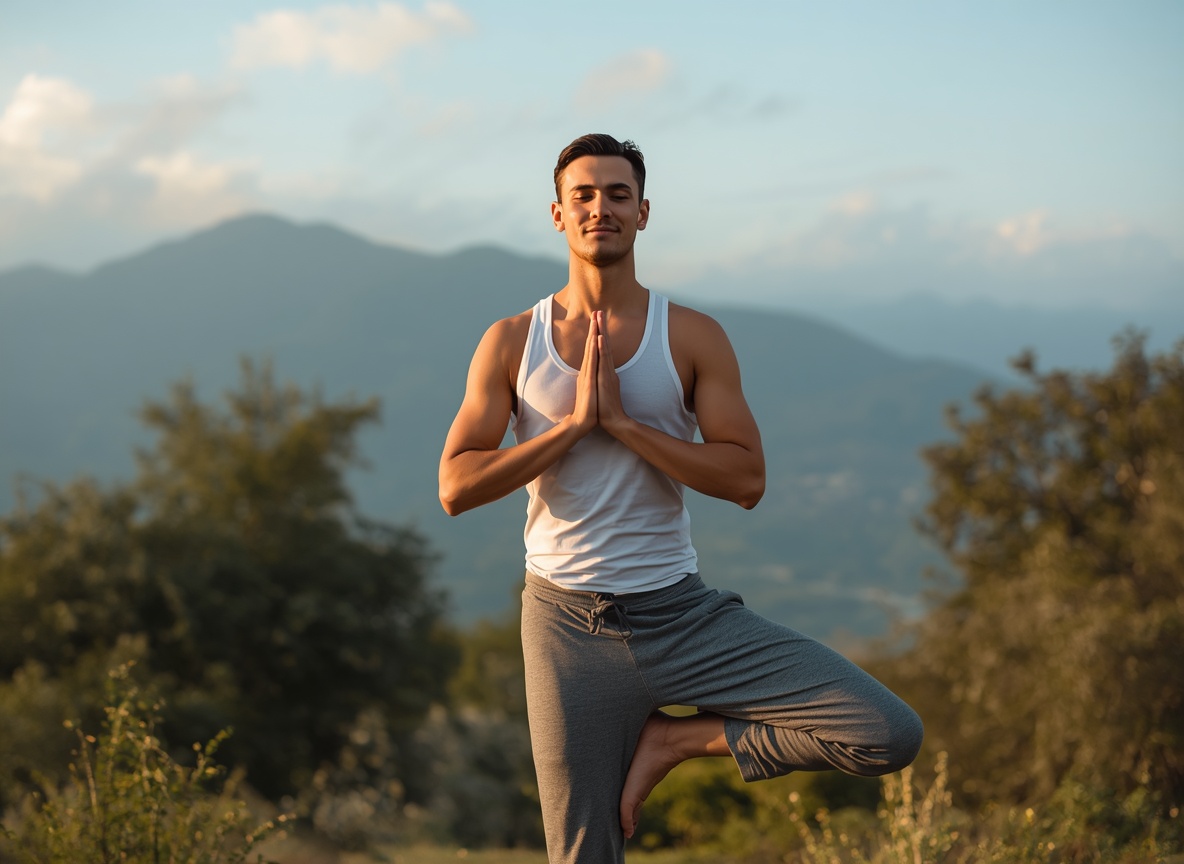
What Is Yoga and Its Benefits: 2026 Guide
People searching for what yoga is and what it does to the body usually already know the basics. They've heard it reduces stress, improves flexibility, and helps with back pain. What they don't have is specific, current evidence that separates genuine clinical benefit from wellness marketing, or an honest answer about who benefits most and under what conditions. This guide gives you exactly that. It covers what yoga actually is, what the most recent research confirms it does, which population groups see the clearest results, what yoga cannot do, and where to find a qualified yoga center in Islamabad and Rawalpindi in 2026. No padding. No generic motivational content. Just the facts and the framework to make a clear decision.
What Yoga Actually Is
Yoga is a mind-body practice originating in ancient India that integrates physical postures, controlled breathing, and meditation or mindfulness to improve physical and mental well-being. The earliest documented reference to yoga appears in the Rigveda, one of the oldest Sanskrit texts, dated to approximately 1500 BCE. The modern postural practice most people encounter today developed primarily in the 20th century and is rooted in Hatha yoga, which focuses on physical poses and breath coordination.
The word "yoga" comes from the Sanskrit root "yuj," meaning to unite or to yoke, reflecting the method's original intention of connecting the body, mind, and breath as a unified system. In its contemporary form, particularly as practiced in cities like Islamabad and Rawalpindi, yoga is most commonly delivered through structured class formats led by certified instructors, covering physical postures known as asanas, breathing exercises known as pranayama, and varying degrees of meditative practice.
Yoga is not a single practice. There are several distinct styles, each with different physical demands and therapeutic focuses. Understanding the difference matters before you walk into any yoga center.
Hatha yoga is slower-paced, with poses held for several breath cycles and adjustable difficulty, making it the most appropriate starting point for beginners and for anyone returning to exercise after illness, injury, or pregnancy. Vinyasa Flow links postures through continuous breath-driven movement at a more dynamic pace, delivering cardiovascular conditioning alongside flexibility and strength. Ashtanga yoga follows a fixed, progressive sequence of postures that becomes more demanding as the practitioner advances. Yin yoga uses long-held, passive, floor-based poses held for three to five minutes each, targeting deep connective tissues and producing significant parasympathetic nervous system relaxation. Restorative yoga uses supported poses with props and is specifically appropriate for recovery, stress reduction, and therapeutic applications.
A qualified yoga center explains which format is appropriate for your specific starting level and goal. One that enrolls every new client into the same class regardless of these factors is not built around client outcomes.
What the Research Confirms About Yoga's Benefits in 2026
The evidence base for yoga has reached a level of specificity that allows clear, defensible claims. These are not general wellness statements. They are findings from peer-reviewed research with disclosed methodologies.
Mental Health: Anxiety, Depression, and Stress
The World Health Organization formally highlighted yoga's clinical evidence on June 21, 2026, on the occasion of the 12th International Day of Yoga, citing documented benefits for mental well-being, balance, flexibility, strength, and mobility. The WHO specifically noted yoga's growing role in healthy ageing strategies, reflecting the volume and quality of research now supporting the method. This is not an endorsement based on tradition. It is a formal position from the world's leading global health institution based on current scientific evidence.
WebMD's medically reviewed overview, updated by Dr. Smitha Bhandari in January 2026, confirms that yoga triggers the release of dopamine, serotonin, and norepinephrine during practice. These are the same neurochemicals that regulate mood, motivation, and stress response, and are typically produced by cardiovascular exercise. Yoga produces them without the joint load of high-impact training, which is precisely why it works for populations that cannot tolerate running, HIIT, or heavy lifting.
A 2020 review of 12 studies covering 672 participants, cited by the National Center for Complementary and Integrative Health, found beneficial effects on perceived stress measures in every single study reviewed. That level of consistency across 12 independent studies is not common in clinical research. The evidence for yoga and stress reduction is stronger than most people realize.
Physical Health: Flexibility, Strength, and Spinal Function
A 2020 Agency for Healthcare Research and Quality report evaluating 10 studies of yoga for lower back pain, covering 1,520 total participants, found that yoga improved pain and function in both the short term, defined as one to six months, and the intermediate term, defined as six to twelve months. The effects of yoga were similar in magnitude to those of exercise and massage, two of the most clinically supported interventions for lower back pain currently available.
A qualitative study published in Frontiers in Public Health in October 2025, approved by the Ethics Committee of Aydın Adnan Menderes University, examined women with spinal disorders including hernia, lordosis, scoliosis, and kyphosis. It confirmed that yoga improved not only physical functionality but also stress management, self-awareness, and life satisfaction in this specific population. For women in Pakistan who manage chronic spinal conditions without consistent access to physiotherapy, this finding is directly relevant.
A large randomized trial presented at the American Society of Clinical Oncology 2026 meeting found that a structured, gentle yoga program over one month improved mood, reduced anxiety, and lowered fatigue in cancer survivors when combined with standard survivorship care. The American Heart Association, in a September 2025 statement, additionally recognized yoga as potentially protective of brain health, citing evidence for memory improvement and slowed cognitive decline from consistent practice.
Benefits Specific to South Asian Women
One piece of research stands above all others for relevance to women in Rawalpindi and Islamabad. A clinical study published in PMC, conducted by researchers at UT Health San Antonio and Cedars-Sinai Medical Center, examined the impact of group yoga and mindfulness on South Asian women, specifically including Pakistani and Indian participants. At the 6-week mark, participants' mindfulness scores improved by 17 percent on the Five Facet Mindfulness scale, measured at p less than 0.001, and physical activity levels increased by 15 percent. Ninety-three percent of participants continued through the 6-week mark, and 83 percent attended four or more of the six sessions. These retention rates reflect how well the method suits this demographic when delivered in a small-group, community format.
That retention figure matters. It's substantially higher than adherence rates typically seen in general gym programs for the same population.
What Yoga Cannot Do: The Honest Limitations
Most articles on yoga's benefits skip this section entirely. It matters for setting accurate expectations.
Yoga is not primarily a weight loss intervention through calorie burn. A Hatha class burns significantly fewer calories per hour than running or resistance training. Yoga contributes to body composition change through muscle development, cortisol reduction, and behavioral improvements in activity and diet, but if rapid caloric expenditure is your primary goal, yoga alone is not the most efficient path.
Yoga does not produce maximal muscular strength at the level of progressive resistance training. It builds functional strength, particularly through bodyweight-loaded positions, but someone whose goal is significant hypertrophy or strength sports performance will need to supplement yoga with resistance training.
For acute injury management, yoga should follow physiotherapy clearance and should be led by an instructor specifically trained in therapeutic modifications. General yoga classes are not physiotherapy. An instructor who isn't informed about a specific spinal condition, post-surgical restriction, or diastasis recti cannot safely modify your session.
Finally, yoga practiced occasionally produces occasional benefits. The research on stress reduction, flexibility improvement, and postural correction is consistently drawn from populations practicing two to three times per week over eight to twelve weeks minimum. One session per fortnight produces minimal measurable change.
Who Gets the Most From Yoga
Desk workers and professionals dealing with chronic neck tension, thoracic rounding, and tight hip flexors find yoga addresses the exact physical problems created by prolonged sitting in a way that general gym training typically doesn't. The combination of spinal extension, hip flexor lengthening, and shoulder mobility work that appears consistently across yoga sequences targets the specific postural degradation pattern of desk-based work directly.
Women over 40 managing stress, anxiety, or disrupted sleep have particularly strong research support. The neurochemical mechanism confirmed by WebMD's January 2026 review, combined with the breathwork-focused nature of yoga practice, produces a measurable parasympathetic response that general gym training does not replicate. Cortisol reduction through yoga practice is documented across multiple studies and directly addresses the primary hormonal driver of stress-related health problems in this demographic.
Post-pregnancy women returning to structured exercise find yoga among the safest and most therapeutically appropriate options. The Frontiers in Public Health study on women with spinal conditions confirms yoga's capacity to work around physical limitations rather than ignoring them. Post-natal yoga under qualified instructor guidance, with full disclosure of diastasis recti and any delivery complications, is one of the most evidence-supported reintroduction methods available.
People managing chronic lower back pain have the largest and most consistent body of evidence behind them. The AHRQ's 2020 review of 1,520 participants confirms yoga's effectiveness at the level comparable to exercise and massage for this specific condition. For anyone in Rawalpindi who has been managing back pain without an accessible physiotherapy option, a qualified yoga center offers a clinically defensible intervention.
The Islamabad and Rawalpindi Yoga Market in 2026
The twin cities have a growing but uneven yoga landscape. Several options serve different parts of the market.
Yoga Islamabad, led by Yogi Baqer, operates from a Media Town location accessible to residents from DHA, PWD, Bahria Town Phases 1 to 8, Chaklala Scheme 3, and surrounding areas. Yogi Baqer has trained more than 800 students since establishing his practice and offers both men's and women's classes. The program covers Ashtanga and general yoga formats.
Sumaira's Yoganama Islamabad and Power Yoga Studio for Women in Islamabad serve the Islamabad-proper market, with a focus on dynamic and power yoga formats suited to practitioners who want more physically demanding sessions.
For women in Bahria Town Phase 7 and surrounding Rawalpindi areas, Wellness Club Zone offers certified instructor-led yoga classes in a private, structured studio environment. The facility covers Hatha yoga and Vinyasa Flow as core formats, with small group class sizes that allow real-time form correction and instructor-level modification for injuries, postpartum conditions, and varying starting fitness levels.
Pricing across the twin cities yoga market in 2026 ranges from approximately PKR 3,000 per month for basic gym add-on yoga sessions to PKR 15,000 to PKR 30,000 per month for structured studio memberships with certified instruction. Pricing changes regularly and should always be verified directly with the studio before committing to any package. At Wellness Club Zone, current pricing and session details are available at wellnessclubzone.com.
The commute reality matters for this decision more than it's ever discussed in studio listings. Travelling from Bahria Town Phase 7 to Media Town or an F-sector Islamabad studio during morning traffic takes 45 to 60 minutes each way. Behavioral research on exercise adherence consistently identifies distance as one of the top three predictors of long-term program completion. A studio eight minutes from home that you attend consistently three times per week will produce more measurable benefit than the most prestigious studio in Islamabad F-10 that you stop attending by week six because the commute wore you down.
What to Look For Before Joining Any Yoga Center
Not all yoga centers in the Islamabad and Rawalpindi area deliver equivalent experiences. These are the questions that separate a worthwhile commitment from a wasted one.
Ask for the instructor's specific yoga certification. A 200-hour or 500-hour Registered Yoga Teacher credential from a Yoga Alliance-affiliated program represents a foundational level of training in anatomy, alignment, sequencing, and teaching methodology. A general fitness trainer who completed a weekend yoga course has a fundamentally different depth of knowledge, and that difference shows clearly when a client has an injury or condition that needs modification.
Ask about maximum class size per session. Any answer above eight to ten students means individual corrections will be rare. Yoga produces its documented benefits when alignment is taught and reinforced correctly. Incorrect alignment practiced consistently produces compensatory patterns and, eventually, injury.
Ask whether the studio can modify sessions for specific conditions: lower back pain, post-pregnancy recovery, knee injuries, or blood pressure concerns. A studio that says yes without asking which condition is giving you an automatic answer. A studio that asks specific follow-up questions before answering understands what modification actually requires.
Ask about the trial class policy. Any serious yoga center should offer a trial class before package commitment. Use it. One session tells you more about instructor quality, class size, and environment fit than any website description.
At Wellness Club Zone in Bahria Town Phase 7, a free trial class is available at wellnessclubzone.com. If you're evaluating whether yoga is worth your time, that trial class is your starting point. Call 0309 0780850 to book.
Yoga and Its Benefits: The Bottom Line
Yoga is one of the most thoroughly evidence-supported mind-body practices available to women in Pakistan in 2026. The WHO formally recognized its clinical value in June 2026. The American Heart Association confirmed brain protective effects in September 2025. Twelve independent studies found consistent stress reduction benefits. The AHRQ confirmed yoga reduces chronic lower back pain at the level of exercise and massage combined. Research specifically on South Asian women found 17 percent improvements in mindfulness scores at 6 weeks with 93 percent retention.
The benefits are real. The conditions under which they appear are specific: consistent attendance, qualified instruction, small class sizes, and a studio environment where you feel comfortable enough to actually come back week after week.
For women in Rawalpindi and Bahria Town searching for what yoga is and its benefits and then looking for a yoga center near them, the two parts of that question have one practical answer. Find a certified studio close to where you live that you can reach without effort. Yoga practiced consistently in the right environment is what the research is built on. Everything else is just deciding to show up.
Book your free trial class at wellnessclubzone.com or call 0309 0780850.
Yoga's documented benefits don't belong to the research papers. They belong to the people who practice it consistently.
FAQ SECTION
Q1: What is yoga and what are its main benefits? Yoga is a mind-body practice combining physical postures, controlled breathing, and meditation to improve physical and mental health. Its main documented benefits include stress reduction, improved flexibility and strength, reduced chronic lower back pain, better sleep quality, and measurable improvements in anxiety and depression. The WHO cited yoga's clinical evidence on June 21, 2026, as part of its International Day of Yoga commentary, specifically endorsing its role in healthy ageing.
Q2: How is yoga different from stretching or general exercise? Yoga integrates breath control, mental focus, and physical movement as a unified system rather than isolating them. Stretching targets muscle length passively. General exercise typically focuses on cardiovascular output or strength. Yoga builds flexibility, functional strength, and nervous system regulation simultaneously. The breathing patterns in yoga trigger specific neurochemical responses including dopamine, serotonin, and norepinephrine release, confirmed by WebMD's medically reviewed January 2026 overview.
Q3: Is yoga effective for back pain? Yes. A 2020 Agency for Healthcare Research and Quality report covering 10 studies and 1,520 participants found yoga improved lower back pain and physical function in both short-term and intermediate-term follow-up periods. The effects were comparable to those of exercise and massage, two of the most clinically recommended interventions for chronic back pain. An instructor aware of your specific spinal condition must modify exercises accordingly.
Q4: What type of yoga is best for beginners? Hatha yoga is the appropriate starting format for most beginners. It uses slower-paced sequences with poses held for several breath cycles, adjustable difficulty, and clear alignment instruction. Vinyasa Flow is more dynamic and physically demanding, better suited once foundational body awareness is established. Any serious yoga center in Islamabad or Rawalpindi should be able to explain which format matches your starting level rather than placing everyone in the same class.
Q5: Can yoga help with anxiety and mental health? Yes, and the evidence is consistent across multiple studies. A 2020 review of 12 independent studies covering 672 participants found beneficial effects on perceived stress in every study reviewed. Yoga triggers dopamine, serotonin, and norepinephrine release, activates the parasympathetic nervous system, and reduces cortisol. A 2023 clinical study on South Asian women, published in PMC by researchers at UT Health San Antonio, found 17 percent improvements in mindfulness scores at 6 weeks of weekly yoga practice.
Q6: How often should I do yoga to see results? Two to three sessions per week is the minimum frequency for measurable results. The research on stress reduction, flexibility improvement, and back pain relief consistently draws from populations practicing at this frequency over eight to twelve weeks. One session per week produces slow, limited improvement. Consistency matters more than intensity, and a studio close enough to attend regularly will produce better outcomes than a prestigious studio you visit occasionally.


