
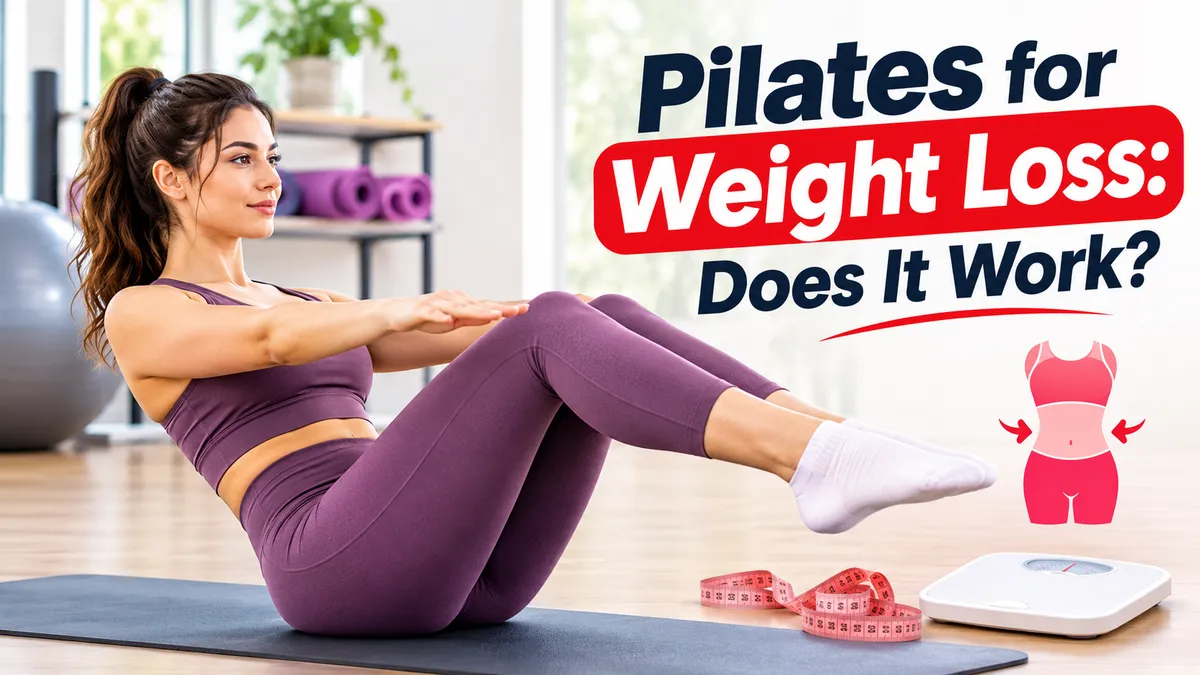
Pilates for Weight Loss: Does It Work? | Wellness Club Zone
Pilates for Weight Loss: Does It Actually Work?
Open Instagram and you’ll find Pilates framed as the secret to a long, lean, toned body. Walk into a studio and you’ll hear that it’s “not a cardio workout” and “not really about weight loss.” So which is it?
The honest answer sits in the middle. Pilates can support weight loss, but not in the way most people expect, and not on its own. Here is what it does well, what it doesn’t, and how to use it so it works for you.
The Short Answer
Pilates can help you lose weight, but it is rarely the fastest or most calorie-hungry way to do it. Weight loss comes down to a sustained calorie deficit over time. Pilates contributes to that deficit modestly through the calories it burns, and indirectly through the muscle it builds, the stress it reduces and the consistency it encourages.
Where Pilates really shines is body composition and how you move and feel. Many people find their waist measurement drops, their posture improves and their clothes fit differently even when the number on the scale barely moves. For many people, that is a more meaningful result than the scale alone.
How Many Calories Does Pilates Burn?
This is where expectations need adjusting. A typical Pilates session burns fewer calories than running, cycling or a high-intensity interval class. As a rough range, a 45 to 60 minute session might burn somewhere between 150 and 350 calories, depending on:
Your body weight. Heavier bodies burn more energy doing the same movement.
The style of class. A slow, controlled beginner mat class burns less than a fast, flowing reformer session with heavier springs.
Your effort. Pilates rewards precision, but you also have to work. Drifting through the movements burns very little.
Your fitness level. Beginners often burn more relative to their ability, because everything is new and challenging.
If your only goal were to torch the most calories per hour, Pilates wouldn’t top the list. But calories burned during a workout is only one piece of the puzzle.
Why Pilates Still Helps With Weight Loss
1. It builds lean muscle
Muscle is metabolically active tissue, meaning it uses more energy at rest than fat does. Pilates, especially on the reformer, uses spring resistance to challenge your muscles through a full range of motion. Over weeks and months, that builds tone and strength in your core, glutes, hips, back and legs.
More muscle won’t transform your metabolism overnight, but it does make a difference over time. It also changes how your body looks at any given weight, which is why many people feel visibly leaner before they see a lower number on the scale.
2. It strengthens your core and improves posture
Pilates is built around the “powerhouse”: the deep abdominals, lower back, pelvic floor and hips. A stronger core changes how you stand and carry yourself. Better posture lifts your chest, lengthens your spine and can make your midsection look flatter and more defined.
This is a real physical effect, though it is not the same as fat loss. Strengthening your abdominals will not melt belly fat on its own, because you cannot choose where your body loses fat. What it does is improve the muscle and alignment underneath, so that as you lose fat through overall habits, the result looks stronger and more defined.
3. It is gentle enough to do consistently
This is the most underrated reason Pilates works. The best exercise for weight loss is the one you can keep doing for months, not the one that leaves you injured, exhausted or dreading the next session.
Pilates is low impact, so it is easier on knees, hips, ankles and the lower back than running or jumping workouts. That makes it a good fit for people who are:
Carrying extra weight and want to protect their joints
Returning to exercise after a long break
Recovering from injury or managing back pain
Rebuilding strength after pregnancy
Older, or simply not interested in punishing workouts
Consistency beats intensity in the long run, and Pilates makes consistency easier.
4. It lowers stress, which affects weight
Chronic stress and poor sleep are quietly powerful forces in weight management. They can raise appetite, increase cravings for sugary or heavily processed food, and make it harder to stay motivated.
Pilates pairs controlled movement with focused breathing, which many people find calming. Regular practice is often associated with better sleep, lower tension and a stronger sense of control over your body. Those benefits do not show up in a calorie counter, but they shape the daily choices that decide whether you lose weight.
5. It builds body awareness
Pilates teaches you to notice how your body moves: where you grip, where you slump, which side is stronger. That awareness tends to spill over into daily life. People often report being more aware of hunger and fullness, more mindful about food and more attuned to what they actually need. It is a soft benefit, but a genuine one.
What Pilates Won’t Do
Setting realistic expectations is the fastest way to avoid disappointment. Pilates will not:
Spot-reduce fat. Doing hundreds of core exercises will not remove stomach fat. Fat loss happens across the whole body, according to genetics, hormones and overall energy balance.
Outwork a poor diet. If you eat more than you burn, no amount of Pilates will create a deficit. Nutrition accounts for most of the result when weight loss is the goal.
Deliver dramatic results in two weeks. Meaningful change usually takes a couple of months of regular practice.
Replace all other exercise. For maximum fat loss, it works best as part of a broader routine.
Mat Pilates vs. Reformer Pilates: Which Is Better for Weight Loss?
Both are effective. They simply feel and challenge you differently.
Mat Pilates uses your own body weight and gravity as resistance. It builds core strength, flexibility and control, and it needs no equipment. It is a great entry point, especially for beginners and people returning to exercise after a break or after pregnancy. If you are new to the method, Mat Pilates classes are a gentle, accessible way to learn the fundamentals.
Reformer Pilates uses a sliding carriage and adjustable springs, which add resistance and support. You can scale the load up or down, so the workout stays challenging as you get stronger. Because the springs build more resistance into each movement, many people find reformer sessions more demanding and more effective for toning. If you want to progress faster, Reformer Pilates classes are worth considering. They are also gentle on the joints, which makes them suitable for a wide range of ages and fitness levels.
If weight loss is your primary goal and your budget allows, a mix of both, or reformer sessions as your main practice, often gives the best return. If you are just starting, mat classes are a perfectly good foundation.
How to Get the Best Weight Loss Results From Pilates
Here is a practical plan for turning Pilates from a pleasant habit into a real part of your weight loss strategy.
Practise regularly
Aim for three to four sessions per week if your schedule allows. Two sessions a week will help with strength and posture, but weight and body composition changes tend to show up with more frequency. Consistency over months matters far more than any single session.
Increase the challenge over time
Your body adapts. If every class feels easy, you are not progressing. Move to more advanced classes, add resistance on the reformer, slow down the tempo, or hold positions longer. Gradual progression keeps your muscles working and your results coming.
Add some strength and cardio
Pilates covers core stability, flexibility and controlled strength very well. To speed up fat loss, pair it with:
Brisk walking, cycling or swimming a few times a week to raise your overall calorie burn
Strength-focused work to build muscle in the large muscle groups
Functional Strength Training pairs especially well with Pilates. It builds the practical, everyday strength that supports lean muscle mass and a higher daily energy expenditure, while Pilates keeps your alignment, mobility and core control in check.
Look after recovery with yoga
If your week is busy and stressful, balancing Pilates with a calming practice can help you recover and sleep better. Yoga classes improve flexibility and balance while lowering stress, which indirectly supports better eating habits and steadier energy.
Get your nutrition in order
This is the part most people skip. You do not need an extreme diet, but you do need to be honest about what you eat. A few simple principles go a long way:
Eat enough protein to support muscle, from foods like eggs, dairy, lentils, chicken and fish
Fill half your plate with vegetables
Limit sugary drinks, fried snacks and heavily processed foods
Keep portions reasonable without crash dieting
Drink plenty of water throughout the day
Crash diets combined with exercise often backfire. They leave you tired, hungry and more likely to quit. A moderate, sustainable calorie deficit is more effective in the long run.
Prioritise sleep
Aim for seven to nine hours of sleep each night. Poor sleep increases hunger and cravings and makes workouts feel harder. It is one of the cheapest and most overlooked tools for weight management.
Track more than the scale
The scale is only one measurement, and an unreliable one. Muscle gain can offset fat loss on the scale even when your body is clearly changing. Track these as well:
Waist, hip and thigh measurements
How your clothes fit
Photos taken monthly in similar lighting
Strength milestones, such as holding a plank longer or using a heavier spring
Energy levels, mood and sleep quality
Who Benefits Most From Pilates for Weight Loss?
Pilates is a particularly good fit for people who:
Find high-impact workouts uncomfortable or intimidating
Have a desk job and struggle with stiffness or back pain
Are returning to fitness after pregnancy or a long break
Want to tone and strengthen, not just shrink
Struggle with stress-related eating or inconsistent routines
Prefer a calm, private, supportive environment to a crowded gym floor
It is less suited to people who want the maximum possible calorie burn in the shortest time. If that is you, combine it with more vigorous cardio.
Common Mistakes to Avoid
Expecting miracles from two classes a week. Results require consistency and patience.
Ignoring food. You cannot out-exercise a diet that works against you.
Rushing the movements. Pilates is about control. Quick, sloppy repetitions waste the benefit and can strain your body.
Skipping the basics. Good form and breathing are the foundation. A qualified instructor makes a significant difference, particularly in your first weeks.
Comparing yourself with social media. Highly edited photos and genetics hide the reality of most people’s journeys. Measure yourself against your own starting point.
Pushing through pain. Mild muscle fatigue is normal, but sharp or lasting pain is a signal to stop and get advice.
A Sample Weekly Routine
Here is how a balanced week might look if weight loss and toning are your goals:
Monday: Reformer or mat Pilates
Tuesday: 30 to 40 minutes of brisk walking or light cardio
Wednesday: Functional strength session
Thursday: Rest or gentle stretching
Friday: Reformer or mat Pilates
Saturday: Yoga for recovery and stress relief, or a longer walk
Sunday: Rest
Adjust this to your schedule and energy. The ideal routine is the one you can sustain.
A Note on Safety
If you are pregnant, recovering from surgery, living with a chronic condition, or dealing with injury or persistent pain, speak with your doctor before starting a new exercise programme. Tell your instructor about any limitations so they can adapt movements for you. Good instructors will modify exercises rather than let you struggle through them.
So, Does Pilates Work for Weight Loss?
Yes, with the right expectations. Pilates is not a miracle fat burner, and it will not melt weight off while you change nothing else. But as part of a balanced lifestyle, it supports weight loss in several meaningful ways: it builds lean muscle, strengthens your core, improves posture, reduces stress and makes regular exercise sustainable and enjoyable.
The people who succeed with Pilates are the ones who show up consistently, progress gradually, eat sensibly and give their bodies time. Do that for two or three months and you are likely to notice more than a lower number on the scale. You will probably stand taller, move more easily, sleep better and feel stronger in your own body.
If you are ready to try it, the best first step is a class led by a qualified instructor who can show you correct technique from day one. You can learn more about our team and approach, explore all our services, or check our pricing. When you are ready, book your free trial class and see how it feels for yourself. Questions beforehand? Contact us and we will help you pick the right class for your goals. For more tips on movement, strength and healthy living, browse the Wellness Club Zone blog.


