
New BloFirst Pilates Class: What to Wear & Expect | Human Riseg Post
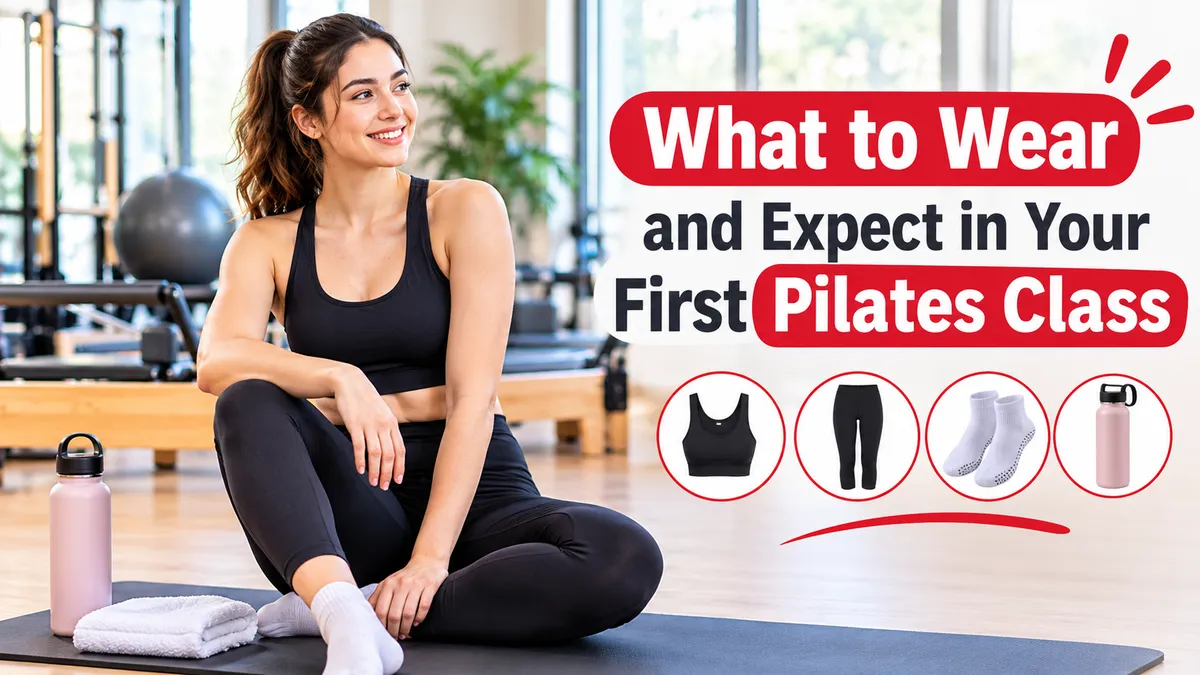
What to Wear and Expect in Your First Pilates Class
Walking into your first Pilates class can feel a little like the first day at a new school. You wonder what everyone else will be wearing, whether you will be the only beginner, and if you will be able to keep up. The good news is that Pilates is one of the most welcoming forms of exercise there is. It is low impact, it is adaptable to every body, and nobody expects you to be perfect on day one.
This guide walks you through everything: what to wear, what to bring, how to prepare, what actually happens during the class, and how you will probably feel afterward. By the end, you will know exactly what to expect, so you can walk in with confidence instead of nerves.
What Is Pilates, and Why Is It Worth Trying?
Pilates is a system of controlled, precise movements that builds strength, flexibility, balance, and body awareness. It was developed by Joseph Pilates in the early twentieth century and has since become popular with everyone from office workers and new mothers to athletes and older adults.
Unlike high-intensity workouts that leave you gasping, Pilates asks you to slow down and focus. Every movement is linked to your breath and driven by your core, the deep muscles around your abdomen, spine, and pelvis. Regular practice can help you:
Improve posture and reduce everyday back and neck tension
Build lean, functional strength without stressing your joints
Increase flexibility and mobility
Develop better balance and coordination
Calm your mind and ease stress
If you spend long hours sitting at a desk, carrying children, or managing a busy household, these benefits tend to show up quickly in daily life. Many beginners notice they stand taller and feel less stiff within a few weeks.
Choose Your Class: Mat or Reformer
Before thinking about outfits, it helps to know which type of class you are attending, because it affects what you wear and what you will experience.
Mat Pilates is done on the floor with a mat and sometimes small props like a ring, band, or soft ball. It is a fantastic starting point because it teaches you the fundamentals: breathing, core engagement, and alignment. If you are new to exercise, returning after a break, or recovering after pregnancy, Mat Pilates classes are an easy and effective way to begin.
Reformer Pilates uses a specially designed machine with a sliding carriage, springs, straps, and a footbar. The springs can support your body or add resistance, which makes the workout both gentle on the joints and surprisingly challenging. If you are curious about the equipment, Reformer Pilates is suitable for all ages and fitness levels, and a good instructor will adjust the springs to match you.
Not sure which to pick? Many people start with mat to learn the basics, then add reformer sessions later. Others dive straight into the reformer with a beginner-friendly class. Either path works. If you would like personalized guidance, you can always contact the team and ask which option suits your goals.
What to Wear to Your First Pilates Class
The golden rule of Pilates clothing is simple: wear something you can move in freely, that stays put when you are upside down or stretching, and that lets your instructor see your alignment. You do not need expensive designer activewear. Comfortable, well-fitted basics are perfect.
Tops
Choose a fitted or semi-fitted top. Loose, flowy shirts tend to ride up when you lie back, roll down, or lift your legs, and they can make it hard for your instructor to check your posture and spinal position. A fitted tank, a snug t-shirt, or a stretchy long-sleeve top works well. If you prefer more coverage, pick a fitted style rather than an oversized one. Breathable fabrics such as cotton blends or moisture-wicking synthetics will keep you comfortable as you warm up.
Bottoms
Leggings, fitted capris, or stretchy bike shorts are the most popular choices. Look for a waistband that sits comfortably and does not roll down or dig in. Because many exercises involve lifting your legs, bending, and stretching, you want fabric that is stretchy, opaque, and non-restrictive. A quick tip: do a deep squat in front of a mirror at home. If the fabric becomes see-through or the waistband slips, choose another pair.
Avoid very baggy pants and wide-leg trousers, especially for reformer classes. Loose fabric can catch on the springs and straps or get in the way of your movements.
Layers
Studios can be cool when you arrive and warm once you get moving. A light cardigan, zip-up, or wrap that you can remove easily is useful for the start and end of class when you are less active. Many people also like to wear layers during the final relaxation portion, when body temperature drops.
Sports Bras and Support
Pilates is low impact, so you do not need maximum-support sports bras, but you do want something secure and comfortable that will not shift when you lie on your back or move into a plank. A seamless or medium-support option is usually ideal.
What to Avoid
Zippers, buttons, or hard embellishments that press into your back or the equipment
Heavy jewelry, long necklaces, and dangling bracelets that can snag or distract you
Very slippery or stiff fabrics that restrict your range of motion
Strong perfume, as studios are shared spaces and some people are sensitive to scents
What to Wear on Your Feet
Footwear is one of the biggest sources of first-timer confusion. Here is the simple answer: you do not wear running shoes in Pilates.
Grip socks are the most common choice. They have small rubberized dots on the soles that prevent you from slipping on the reformer footbar or the mat. They also keep your feet warm and are more hygienic than bare feet on shared equipment. Many studios require them, so check in advance. If you do not own a pair yet, studios often sell them, and they are inexpensive and worth buying.
Barefoot is acceptable in some mat classes. Bare feet give you the best feel for the floor and help you engage the small muscles in your feet. Just confirm with your studio first, and make sure you are comfortable with the cleanliness of the space.
Regular socks without grip are best avoided. They can slide on mats and reformer parts, which makes some exercises feel unstable and can be a safety concern.
What to Bring With You
You do not need to arrive with a gym bag packed like an expedition, but a few small items make the experience smoother:
A water bottle. Pilates may feel gentle, but your body is working hard. Sip water before and after class.
A small towel. Useful for wiping your hands and face, especially in warmer studios.
Grip socks. As mentioned above, these are often essential.
Your own mat (for mat classes). Many studios provide mats, but check ahead if you would rather bring your own.
A hair tie. Keep long hair out of your face and off the equipment so you can lie back comfortably.
A notebook or phone note (optional). If you want to remember cues or questions for next time.
If you are attending a studio for the first time, ask whether they provide equipment such as mats, props, and towels. That way you can pack only what you truly need.
How to Prepare Before Class
A little preparation goes a long way, and none of it is complicated.
Eat lightly. Avoid a heavy meal in the two hours before class. Pilates involves a lot of core work and lying on your back, which does not feel great on a full stomach. A light snack such as a banana, yogurt, or a handful of nuts about an hour before is a good option if you feel hungry.
Hydrate. Drink water throughout the day, not just right before you walk in.
Arrive early. Aim to arrive ten to fifteen minutes before class begins. This gives you time to check in, change if needed, set up your space, and introduce yourself to the instructor.
Share relevant information. Tell your instructor if you are pregnant, postpartum, recovering from an injury or surgery, managing back pain, or living with any health condition. A good teacher will offer modifications so you can practice safely. If you have any medical concerns, check with your doctor before you begin.
Set realistic expectations. You are not expected to know the exercises, the terminology, or how to control your breath perfectly. That is exactly what the class is for.
What to Expect During Your First Class
Every studio and instructor is a little different, but most beginner Pilates classes follow a similar structure. Here is what a typical session looks like from start to finish.
Arrival and Welcome
When you arrive, you will usually check in at the front desk, store your belongings, and put on your grip socks. A friendly instructor will often greet you, ask about your experience and any injuries, and show you where to set up. If you are new, do not be shy about saying so. Instructors love working with beginners and will keep an eye on you throughout the class.
The Setup
For mat classes, you will unroll your mat and get comfortable. For reformer classes, your instructor will walk you through the basics of the machine: where to place your feet and hands, how the springs and straps work, and how to safely get on and off. Do not worry about memorizing everything. The teacher will cue you step by step.
Breathing and Centering
Most classes begin with a few moments of focused breathing. In Pilates, you typically breathe in through the nose to expand the ribs and breathe out through the mouth while engaging the deep abdominal muscles. This might feel unfamiliar at first, and that is normal. The breath is a core part of the method, and it gets easier with practice.
The Warm-Up
Next comes a gentle warm-up to wake up the spine, hips, and shoulders. You might do pelvic tilts, spinal rolls, or small leg movements. These prepare your body and teach you how to connect movement with breath.
The Main Work
The middle of the class is where you build strength and control. Expect exercises that target:
The core, including the abdominals, obliques, and deep stabilizers
The glutes and legs, through bridges, leg circles, and lunges
The back and shoulders, with gentle extensions and arm work
Balance and coordination, as you shift between positions
Movements are slow, deliberate, and precise. Instead of doing fifty fast repetitions, you will do fewer repetitions with greater focus. Your instructor will give plenty of cues about alignment and form. You might hear things like "draw your navel toward your spine" or "lengthen through the crown of your head." If a cue does not make sense, ask. Everyone has questions in their first class.
On the reformer, you will move the carriage with your legs and arms against spring resistance. It can feel surprisingly challenging, but also smooth and supportive. If something feels too hard, your teacher can lighten the springs or offer an easier variation. If it feels too easy, they can add resistance.
The Cool-Down
Towards the end, you will usually stretch and release tension. This might include gentle spinal stretches, hip openers, and slow breathing. Many people find this part deeply relaxing, and it helps your muscles recover.
Closing
Classes typically end with a short moment of stillness or a quick recap. Take your time getting up, gather your belongings, and feel free to ask the instructor any questions on your way out.
How Long Is a Class and How Hard Is It?
Most Pilates classes last between forty-five and sixty minutes. Beginner-friendly classes are paced so that you can learn the movements without feeling rushed.
As for difficulty, Pilates is often described as deceptively challenging. It might look gentle from the outside, but the focus on control means your muscles work hard, especially your core. Do not be surprised if you feel your abdominals and glutes working harder than you expected. This is a good sign, not a failure.
That said, you remain in charge. You can rest whenever you need to, take a smaller range of motion, or skip an exercise that does not feel right. Pain is not part of the process. Mild muscle fatigue is normal, but sharp or sudden pain is a signal to stop and tell your instructor.
How You Might Feel Afterward
It is common to feel a mix of calm, energized, and pleasantly tired after a first Pilates class. Many people describe feeling taller and more open through the chest and spine. Some notice a deeper sense of relaxation because of the combination of focus and breathwork.
You might also feel mild muscle soreness the next day, particularly in your core, hips, or the backs of your legs. This is similar to the soreness you get after any new form of exercise and usually fades within a day or two. Drink water, move gently, and keep going. The body adapts quickly.
Common First-Timer Worries, Answered
"I'm not flexible enough." You do not need to be flexible to start. Flexibility improves with practice, and instructors can modify any movement to suit your range.
"I'm out of shape." Pilates meets you where you are. The exercises scale up or down based on your strength and experience.
"I'll be the only beginner." Almost certainly not. Beginner and mixed-level classes are full of people trying things for the first time, and experienced members remember being new too.
"I'll look silly." Everyone is focused on their own body and breath. Studios that are calm and judgment-free make it easy to relax and learn.
"I don't know the exercises." You do not have to. The instructor demonstrates and guides every move.
Etiquette Tips for Your First Class
A few simple courtesies will help you feel at home right away:
Arrive on time, since late entry can disrupt a quiet class
Silence your phone and put it away
Keep your voice low before and after class
Wipe down equipment if the studio asks you to
Listen to the instructor and follow the pace of the group
Be kind to yourself, since learning takes time
Tips to Get the Most Out of Your First Class
Focus on form, not speed. Slow and accurate beats fast and sloppy every time.
Breathe. If you forget everything else, remember to keep breathing steadily.
Ask questions. Instructors want you to understand what you are doing and why.
Listen to your body. Adjust or rest when needed.
Give it a few classes. The first session is often about learning the language of Pilates. By your third or fourth class, things click, and you start to feel the real benefits.
How Often Should You Practice?
For beginners, two to three sessions a week is a realistic and effective target. Consistency matters more than intensity. Even one class a week can improve your posture and body awareness, and you can build up as you feel ready.
Pilates also pairs beautifully with other forms of movement. Many people combine it with yoga classes for flexibility and stress relief, or with functional strength training to build the kind of everyday strength that helps with carrying, lifting, and long days on your feet. A varied routine keeps things interesting and balances your body.
Finding the Right Studio
The studio you choose can shape your entire experience. Look for a space that feels calm, clean, and welcoming, with certified instructors who take time to understand your goals and limitations. Small-group classes and private options can be especially helpful for beginners, because you get more individual attention. You can learn more about the philosophy and credentials behind a studio by reading its About page, and you can compare options and plans on its pricing page.
If you are in the Rawalpindi area, Wellness Club Zone offers beginner-friendly Mat Pilates and Reformer Pilates in a private, judgment-free environment, and you can book a free trial class to see how it feels before committing. For more wellness advice, you can also browse the Wellness Club Zone blog.
A Quick First-Class Checklist
Before you head out the door, run through this list:
Fitted, comfortable top and leggings or shorts
Grip socks (or confirm barefoot is allowed)
Water bottle and small towel
Hair tie
Light layer for before and after class
Light snack eaten an hour or so earlier
Arrival time set for ten to fifteen minutes early
Any injuries or health notes ready to share with your instructor
An open mind and a little patience with yourself
Final Thoughts
Your first Pilates class does not have to be intimidating. With a comfortable outfit, a pair of grip socks, and a willingness to learn, you already have everything you need. Expect a focused, mindful session that challenges your core, teaches you to breathe with purpose, and leaves you feeling taller, calmer, and more connected to your body.
Remember that every experienced Pilates practitioner started exactly where you are now. Show up, listen to your body, ask questions, and give yourself a few classes to find your rhythm. Before long, what felt unfamiliar will become one of the most rewarding parts of your week.
Ready to take the first step? Pick a class, lay out your outfit, and go. Your body will thank you for it.


